OPEN HOUSE 2026 Click here

OPEN HOUSE 2026 Click here







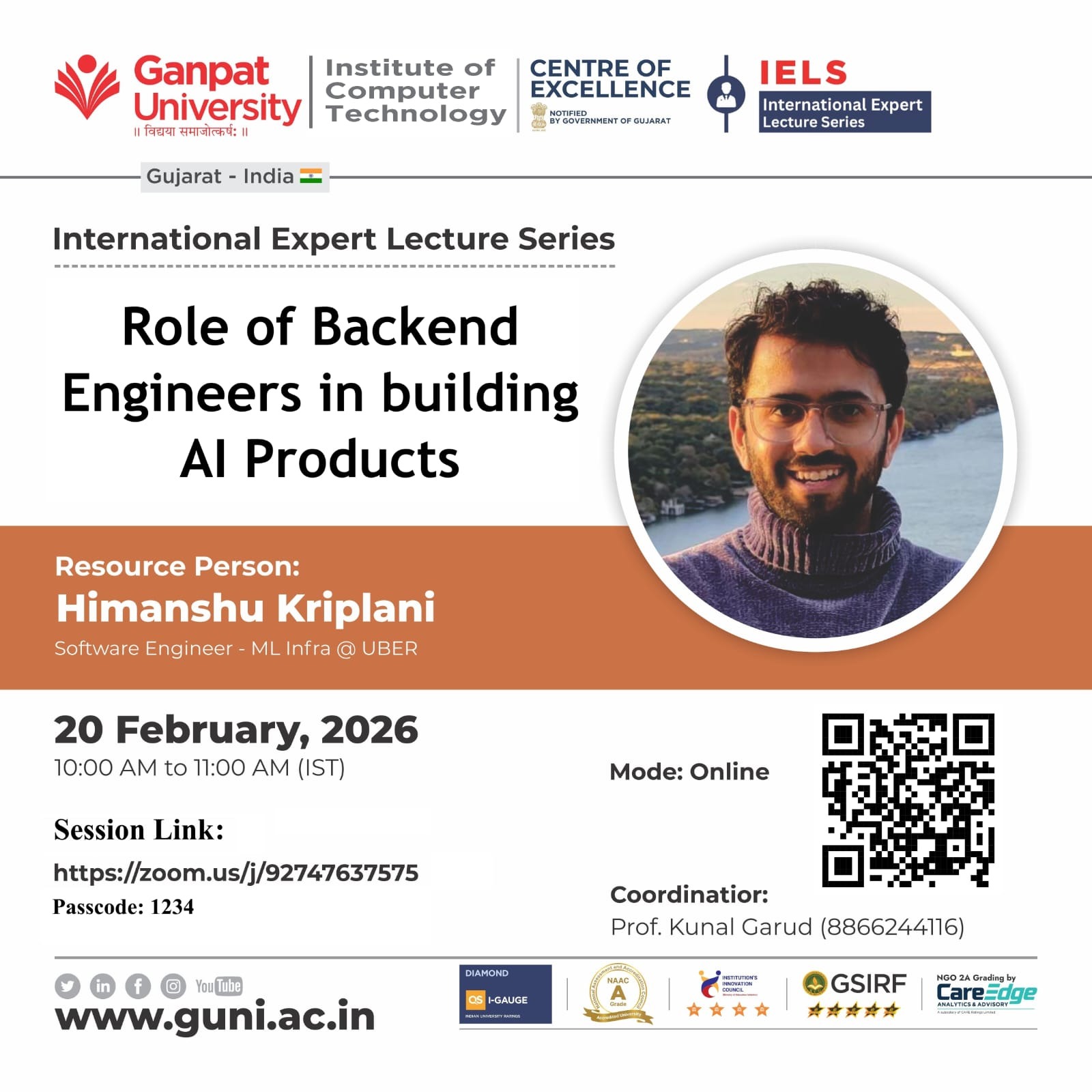
Role of Backend Engineers in building AI Products
Organizers |
Faculty of Engineering & Technology |
Participants |
95 |
Contact No. |
|
Start Date |
20/02/2026 10:00 AM |
End Date |
20/02/2026 11:00 AM |
Venue |
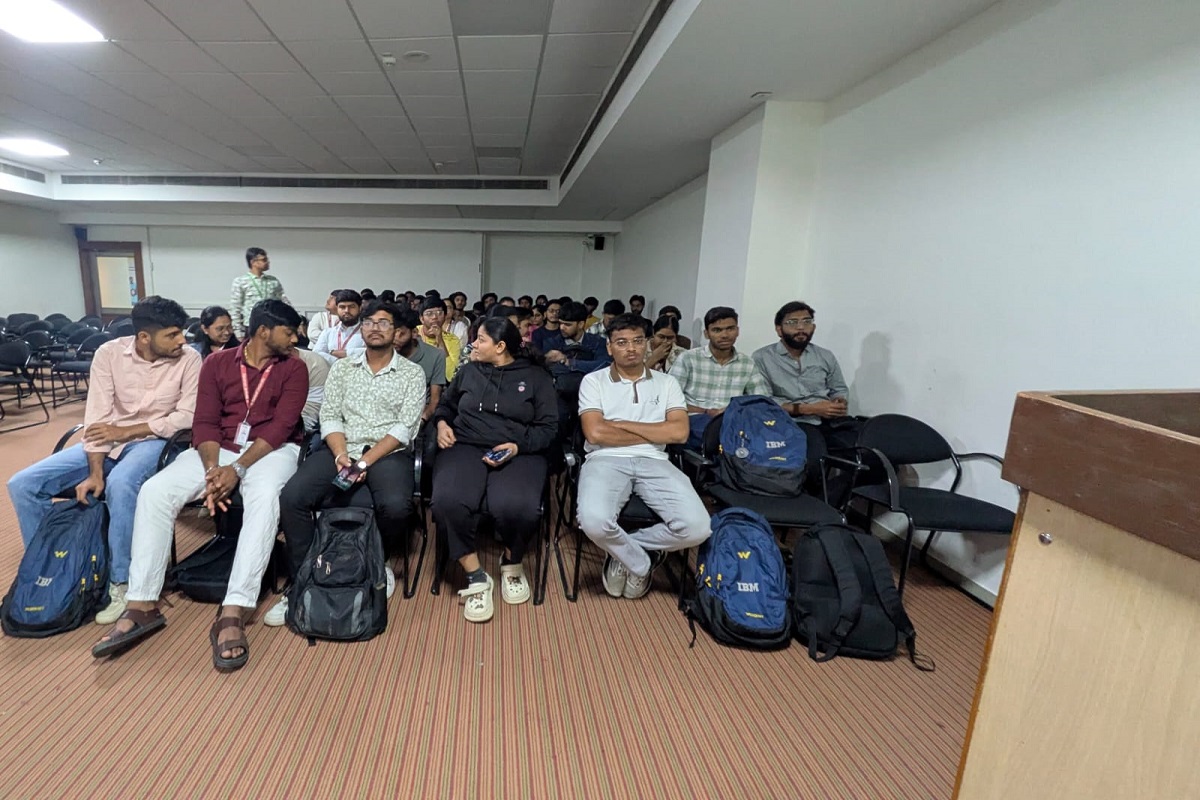
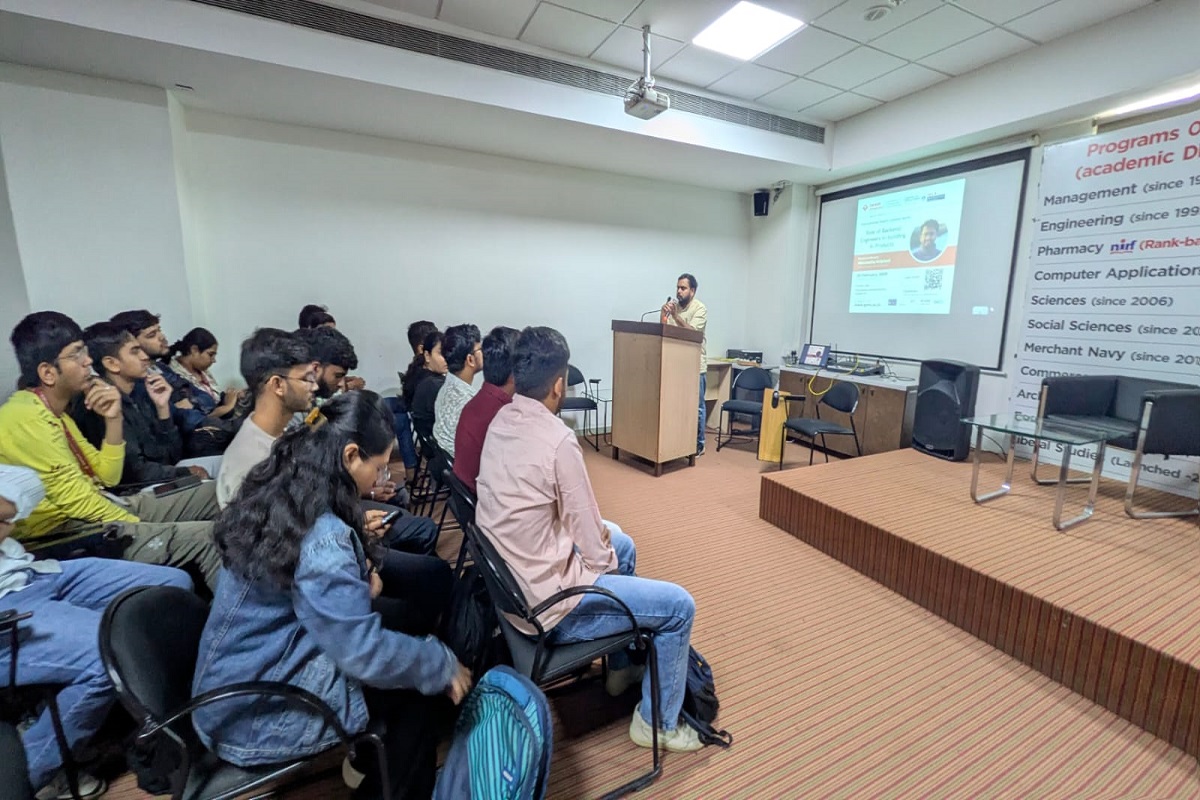
Seminar Hall, ICT, Ganpat University |
Social Media Share |
Description
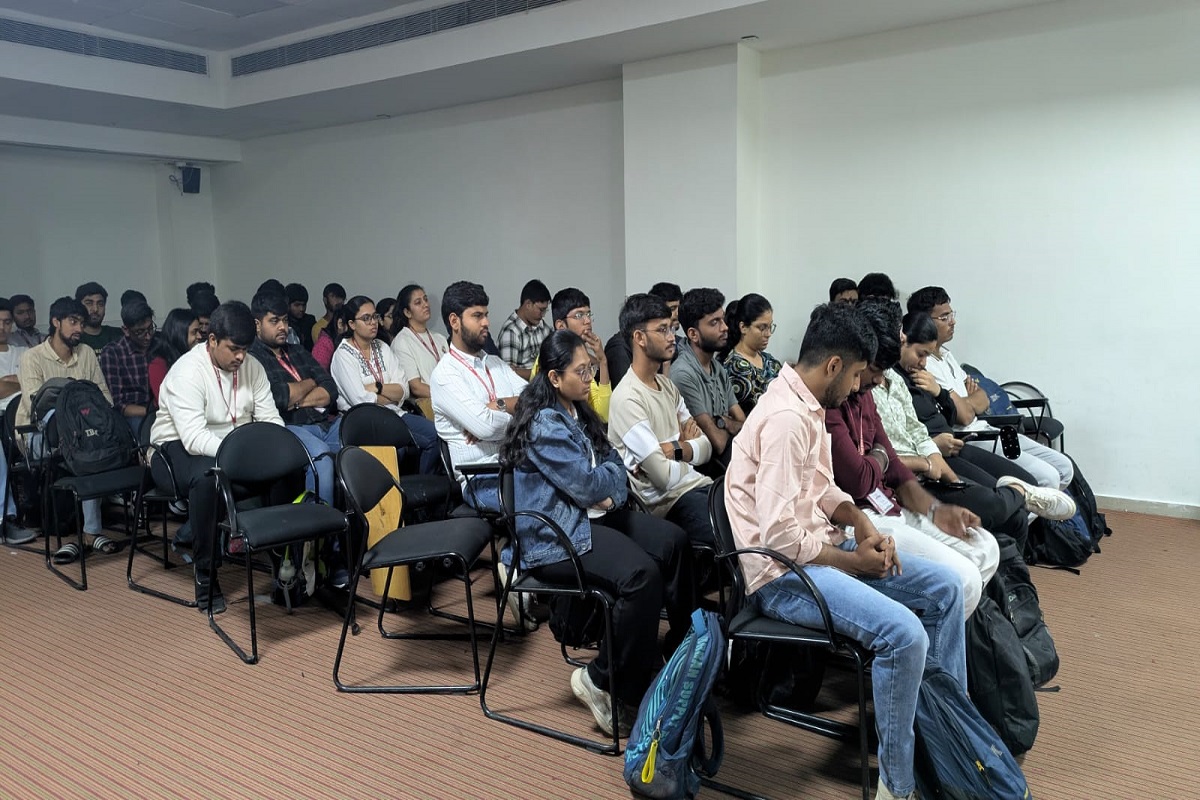
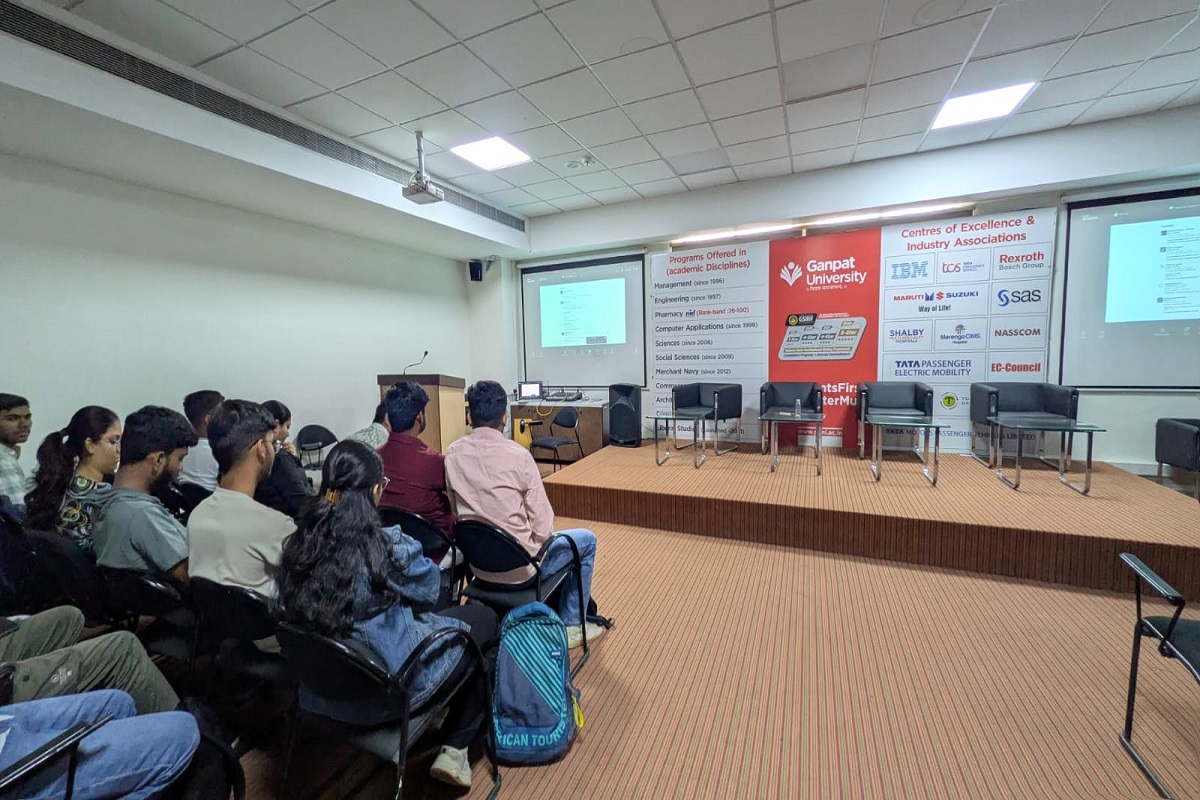
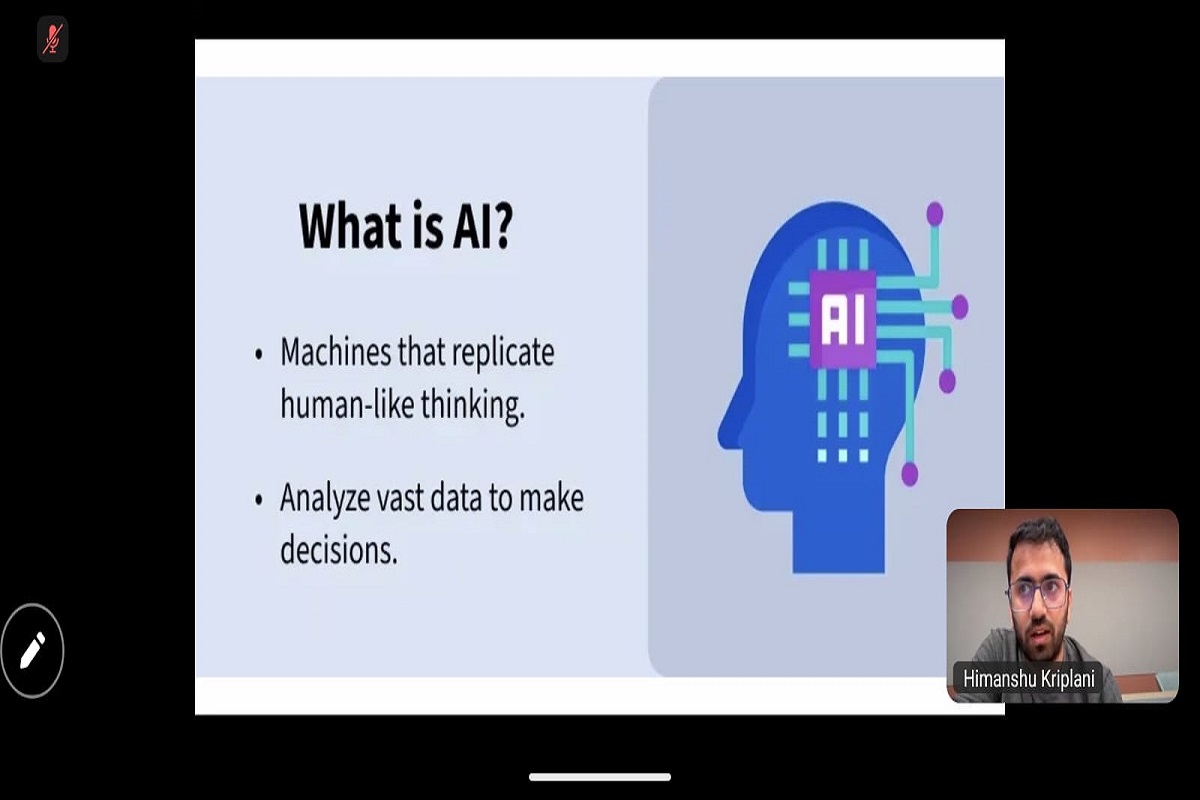
The Ganpat University – Institute of Computer Technology (GUNI–ICT) organized an expert session on “Role of Backend Engineers in building AI Products” on 20th February 2026 from 10:00 AM to 11:00 AM. The session was conducted in online mode with the objective of providing students with practical insights into the crucial role of backend engineers in designing, developing, and deploying scalable AI-powered products in real-world industry environments.
The expert session was successfully coordinated by Prof. Kunal Garud, whose dedicated efforts ensured smooth planning, communication, and execution of the online event.
Mr. Himanshu Kriplani is a skilled Software Engineer working in the Machine Learning Infrastructure team at UBER. He possesses extensive industry experience in backend development, distributed systems, scalable architectures, and ML infrastructure engineering. He has vast experience in companies like Google, Tiktok as well
He plays a significant role in building reliable backend systems that support large-scale AI models and machine learning pipelines. His expertise includes model deployment infrastructure, data pipelines, system optimization, API design, and cloud-based backend solutions that power AI-driven applications used by millions of users worldwide.
Expert Session Highlights:
● The session provided comprehensive insights into how backend engineering forms the backbone of AI products.
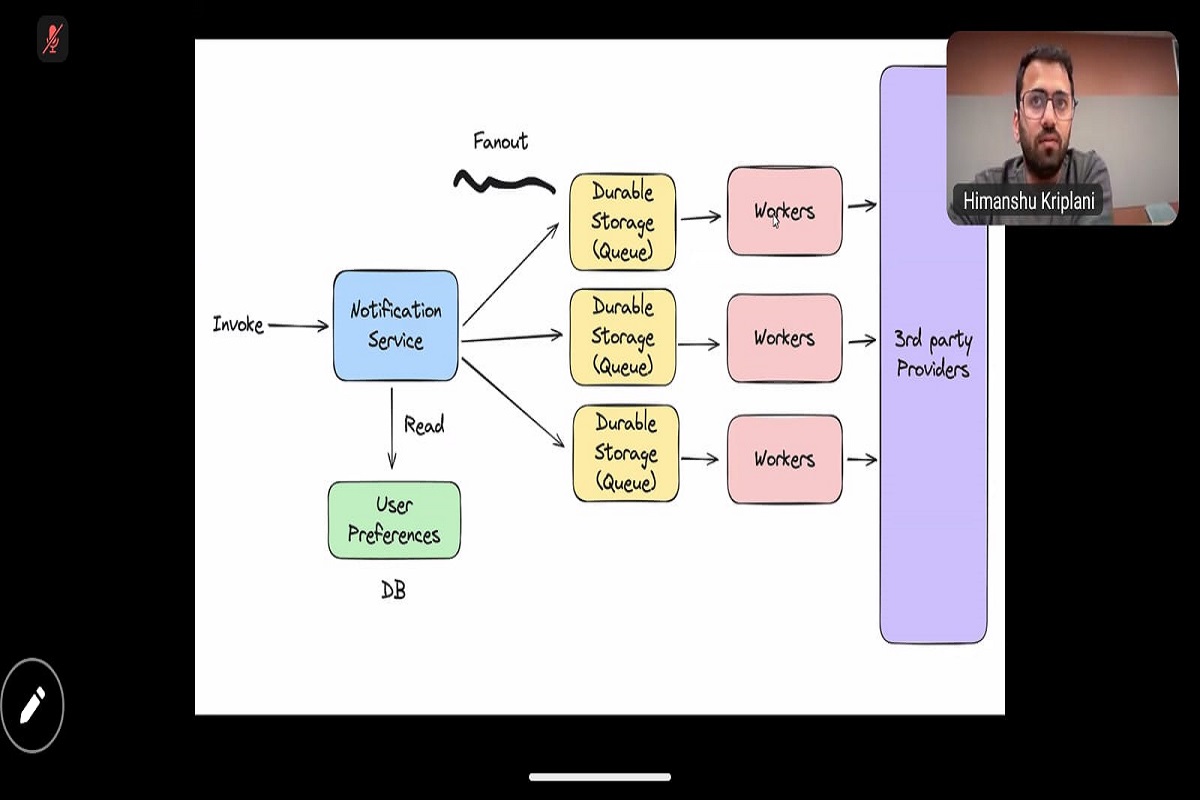
● The speaker explained the end-to-end lifecycle of AI product development — from data ingestion to model deployment and monitoring.
● Participants learned how backend engineers build scalable APIs and services that integrate machine learning models into production systems.
● The importance of distributed systems, microservices architecture, and cloud infrastructure in AI applications was discussed in detail.
● Real-world use cases from UBER’s ML infrastructure were shared to demonstrate practical implementation challenges and solutions.
● The session highlighted the significance of system reliability, performance optimization, and monitoring in AI-powered platforms.
● Students gained clarity on the collaboration between data scientists, ML engineers, and backend engineers in building AI products.
● The interactive Q&A session encouraged students to explore career paths in backend engineering and ML infrastructure domains.
Key Outcomes:
- Participants developed a clear understanding of the role of backend engineers in AI product development.
- The session enhanced knowledge about ML infrastructure and scalable system design.
- Students gained exposure to real-world industry practices in deploying AI models at scale.
- The program bridged the gap between theoretical AI concepts and practical backend implementation.
- Participants were motivated to strengthen their foundations in data structures, system design, and distributed computing.
- The expert interaction provided valuable career guidance for students aspiring to work in AI and backend engineering roles.
The expert session proved to be highly informative, industry-oriented, and insightful. It successfully emphasized the critical contribution of backend engineers in transforming AI models into robust, scalable, and production-ready products. The session enriched students’ understanding of real-world AI systems and inspired them to pursue advanced technical skills relevant to modern industry requirements.
The program concluded with a vote of thanks delivered by the coordinator, Prof. Kunal Garud, who expressed sincere gratitude to Mr. Himanshu Kriplani for sharing his valuable time, industry experience, and practical insights. Appreciation was also extended to the university authorities and students for their active participation and support in making the online session a success.
Gallery
The Garba Mahotsav was held on the huge football field on the main campus, wh...